Tennis
Wimbledon’s £200m expansion clears crucial High Court hurdle
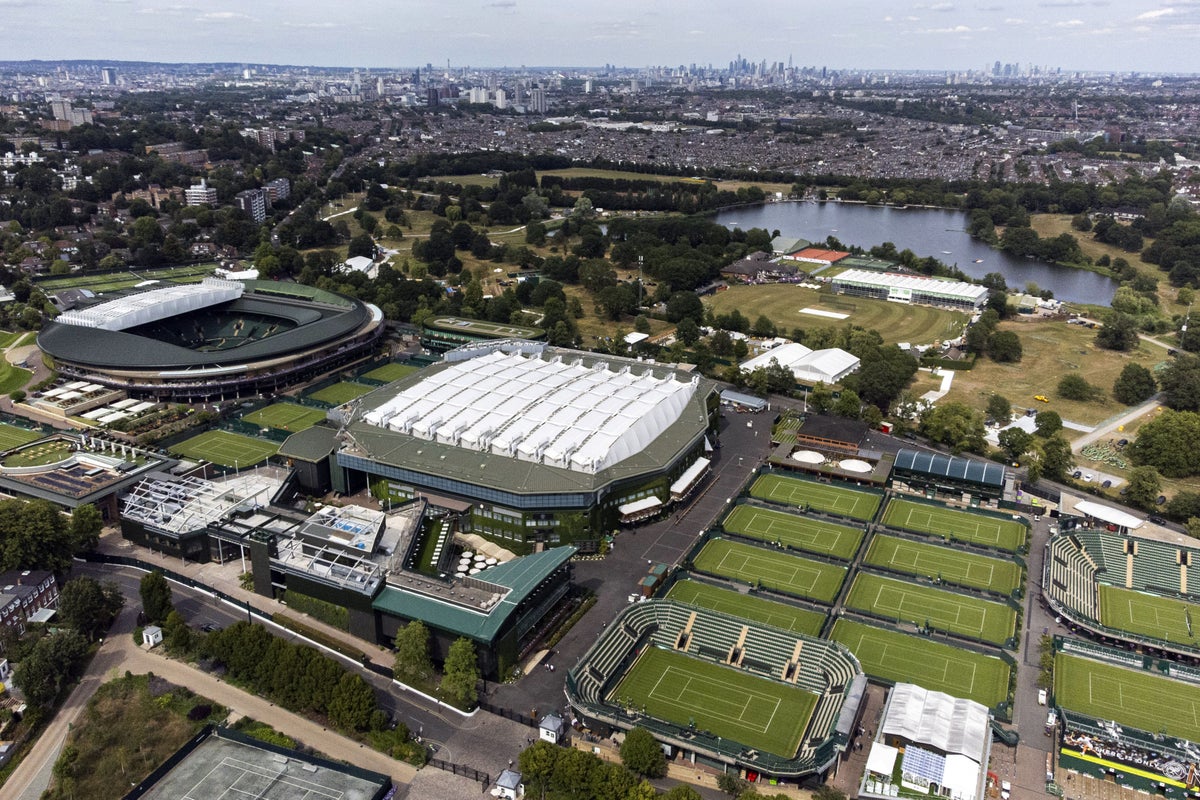
Source
independent.co.uk
The All England Lawn Tennis and Croquet Club's plans to expand its Wimbledon grounds have cleared a major legal hurdle, after the High Court rejected an attempt by campaigners to block the project.
The £200 million scheme aims to treble the size of the historic site, home to the Championships since 1877, by developing a former golf course to include 39 new courts.
The proposals are backed by several leading players and some local residents.
However, the campaign group Save Wimbledon Park, which initiated the legal action, argued that the land is subject to a statutory trust, mandating its preservation for public recreation.
The AELTC, however, contended that the land had never been used for such purposes and sought a High Court ruling to that effect.
Following a hearing in January, Judge Nicholas Thompsell has sided with the AELTC.
In his written judgment, released on Thursday, he said that the land was "never dedicated to the use of public recreation" and therefore "could be sold without imposing onto the purchaser a public trust where one had never before existed".
“The ruling represents a significant milestone for our plans, which will, as well as delivering 27 acres of beautiful new public parkland on previously private land, allow us to maintain Wimbledon’s position as one of the world’s most successful sporting events,” she said.
“We know from our discussions with more than 10,000 local residents that the vast majority of people want us to get on and deliver the benefits of our plans as soon as possible.”
Save Wimbledon Park announced its intention to seek permission to appeal the ruling.
There is a “strong case for protecting this precious open space”, director Jeremy Hudson said.
The legal victory follows a separate challenge last summer, where Save Wimbledon Park contested planning permission granted by the Greater London Authority in 2024.
In that instance, the campaigners argued that the GLA had failed to properly consider restrictions on redeveloping the land.
Although that initial challenge was rejected, the group has since been granted permission to appeal against that decision.