NCAA Football
Where things stand in the SEC as momentum builds elsewhere for a 24-team College Football Playoff
Source
nytimes.com
BIRMINGHAM, Ala. — Events of last week made this clear: The SEC is now alone, and all eyes now fall on the conference to decide the future format of the College Football Playoff.
What the SEC will do is not clear. People within the conference, which does not have unanimity on the issue, aren’t even sure.
The leaders of the ACC, Big 12 and Notre Dame all came out in favor of the Big Ten’s idea of a 24-team field, double the current number. Just because everyone else favors 24 doesn’t mean the SEC has to go along; the CFP contract, which runs through the 2031-32 season, essentially gives the SEC and Big Ten joint decision-making power. If it wants to stand alone, it can.
SEC commissioner Greg Sankey is holding his cards close. When he met with reporters on May 11, he reiterated support for a 16-team field, but did not rule out supporting 24.
“We’re open to the conversation,” he said. “But there are a lot of ideas out there that have to be supported with analysis and information, not speculation.”
So the scene is set for the SEC, which holds its spring meetings May 26-28 in Destin, Fla. Some in the SEC have already come out favoring 24, such as Georgia coach Kirby Smart, Tennessee coach Josh Heupel, and Tennessee athletic director Danny White.
Ultimately, presidents, with advice from athletic directors, will meet with Sankey and decide the conference’s position. One administrator reached late last week said he thought 24 was more likely. Another administrator said 16 was more likely, adding that things “are fluid.”
Speaking with sources around the SEC, given anonymity in order to be candid, this is what to know:
The money needs to be worth it
Right now, everyone within the SEC seems to agree the math doesn’t work going to a 24-team field.
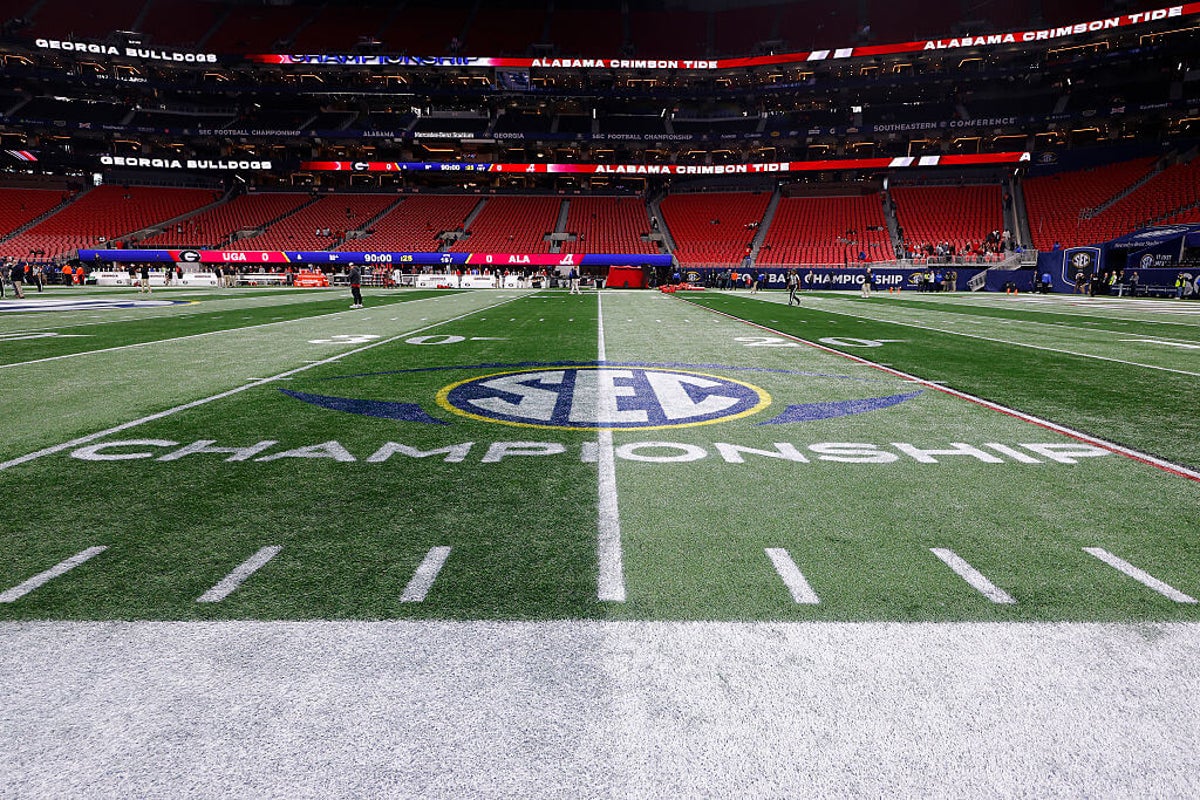
An expanded Playoff would mean getting rid of the SEC Championship Game, which would mean a loss of a lot of money: Several sources told The Athletic the conference now values the game at around $100 million.
The game is built into the conference’s existing ESPN contract, and annually draws one of the top television ratings of the season. Then there are sponsorships, advertising and other revenue sources around the game — all of which stay within the conference.
Alabama athletic director Greg Byrne, who advocated for getting rid of the SEC championship last month, said the money could be made up via new CFP games. But that’s not certain. The money from those games would be shared with the CFP, and the TV ratings for first-round CFP games haven’t equaled the SEC championship, so why would the TV rights make up for that?
Plus, the SEC’s lone television partner is ESPN, which only holds the rights up to a 14-team field, so additional games would be bid out. ACC commissioner Jim Phillips acknowledged that ESPN doesn’t favor expansion.
Of course, this could be solved via negotiations. The SEC could be made whole for the loss of the championship game by earning a bigger share of a new CFP television package, and perhaps an increase in revenue it keeps from home playoff games.
Take schools such as Mississippi State, or Arkansas, which just cut (then restored) its tennis programs, blaming revenue issues: Maybe you want an expanded field because it means a better chance of making the Playoff. But money is also vital, so if the result is a decrease in the SEC’s annual payout, is it worth it?
There’s also a sense within the conference of needing to do what’s right for the SEC. That may seem what the conference always does, but Sankey likes to point out that his conference didn’t need to expand the CFP beyond four teams — it won six titles during that 10-year era, including two all-SEC championship games. And while Sankey had pushed for NCAA Tournament expansion, by the end, the SEC didn’t really need it anymore, placing the most teams in the 68-team field the past two years.
But the conference is taking its lumps because of three straight years of not making the football national championship game. Sankey is also dealing with sniping within the conference, like Texas coach Steve Sarkisian taking a shot at Ole Miss’ academics. And now the SEC has become the last holdout on going to a 24-team Playoff.
Backed into a corner, Sankey and his presidents may be less likely to conform. They showed that six years ago, when they were willing to be the only conference to play during the COVID-19 pandemic, before the ACC and Big 12 decided to keep going. This time, Sankey could score points by standing up for the conference: Why should the SEC give up its historic and lucrative championship game, just because others want to go to 24?
There’s also the chance to score points with the public, which the SEC may not care about. And the chance to help out its lone television partner, which the conference definitely cares about.
But there are also forces within his conference that like the extra Playoff spots. Especially after going to nine conference games, starting this season.
“There are those who look to say they’ve got a really hard schedule, we went to nine games, we want more opportunities in the playoffs, in the postseason,” Sankey said. “That’s not where everybody is. And obviously, we’ll have more conversations where the First Amendment will be alive and well, which is a joy to all of you involved.”
How it plays out
The key question may be how strongly Sankey weighs in. Even if most of the athletic directors favor expansion, the presidents and chancellors could be swayed to Sankey’s side, if the commissioner chooses to do so.
The athletic directors are no guarantee to fall either way. Whether the SEC is made whole financially is the likely key for most of them.
For all the drama the next few weeks may bring, a resolution should still take a while. Any negotiations will take a while. And much of the other legwork on the impact of a 24-team Playoff, such as the effect on the regular season, has yet to be done.
Sankey said he told his athletic directors that there isn’t urgency, pointing to the Dec. 1 deadline for a decision on the format for 2027 and beyond.
“The shot clock is not expiring,” he said Monday. “That gives you time to inform things. I think there’s an interest in having decisions and, and clarity, sooner rather than later. But I’m not going to over-predict the next couple of weeks.”