NCAA Football
College Football Playoff leaders resume talks on 16 vs. 24 and other postseason particulars
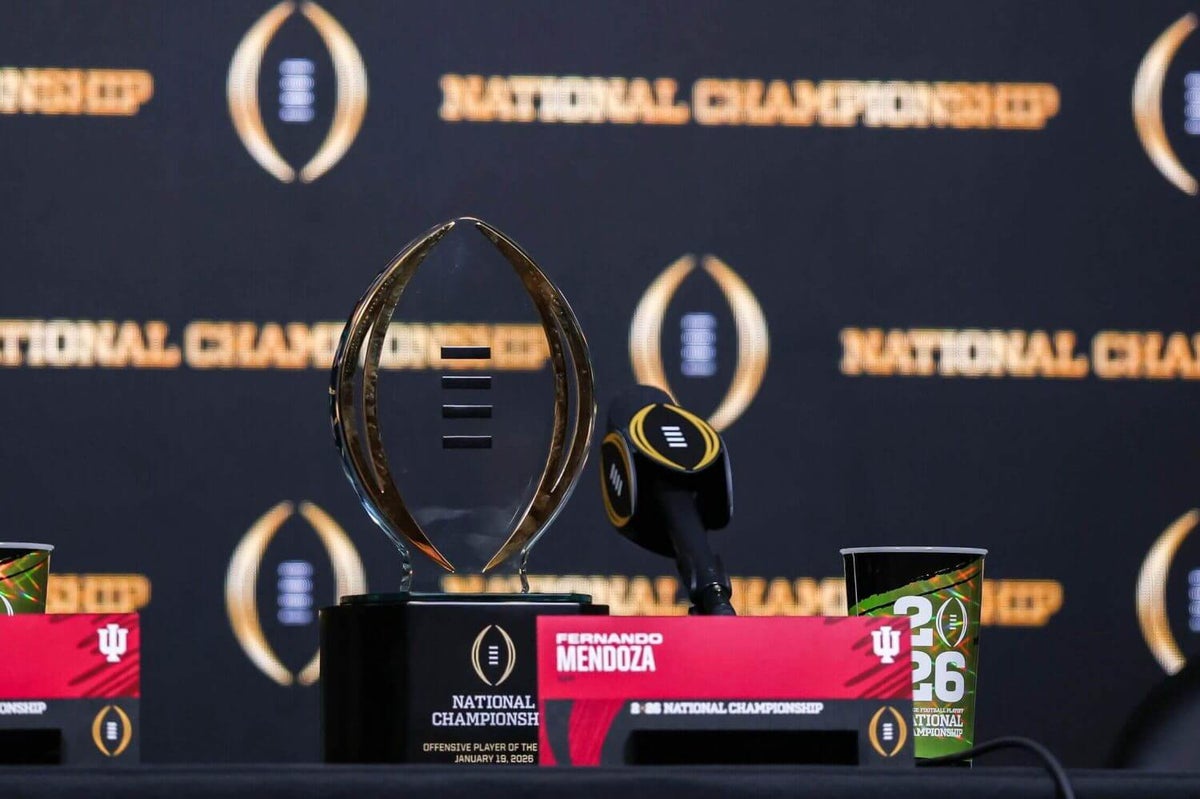
Source
nytimes.com
IRVING, Texas — Discussions about College Football Playoff expansion resumed this week, as the CFP’s annual meeting of commissioners, selection committee members and other dignitaries reignited a yearslong conversation that will likely continue throughout the spring and the summer.
A 16-team field or a 24-team field remain the two expansion options to grow beyond the current 12-team field, which just wrapped up its second season.
Big Ten commissioner Tony Petitti, as he typically does, left the meeting without speaking to reporters about his 24-team proposal, while SEC commissioner Greg Sankey did speak, citing his past comments about his league’s preference for a 16-team field. The SEC and Big Ten have the power to drive any change to the format. Sankey acknowledged that upholding the value of the regular season is a factor in his preference for the 16-team model.
“I understand why some of my members are frustrated because of the stress around losses, the desire for clarity on selection, no matter what the number is,” Sankey said Wednesday. “But week after week, in the regular season especially, we don’t have quarterbacks that start a game to continue their starting streak and sit out of the rest of the game (with a Playoff spot locked up).”
A year ago, the discussions about Playoff expansion focused on a 16-team field and the number of automatic qualifiers each conference would receive. Now, the focus of more public comments has shifted to a 24-team field made up largely of at-large selections, a plan proposed by the Big Ten and publicly supported by Fox Sports, which owns the Big Ten’s TV rights and wants a piece of the CFP pie. Multiple coaches across other conferences, including some in the SEC, have spoken out in support of a 24-team model in recent months.
“The First Amendment is alive and well,” Sankey said when asked about those coach comments. “We have people who say 16, too.”
Doubling the size of the field would create numerous additional logistical hurdles to clear, however, from the date of the Army-Navy Game to the end of conference championships to campus’ ability to host more games earlier.
Another key factor is how valuable the additional 12 Playoff games in a 24-team field would actually be to the broadcasters asked to pay for them, a subject of disagreement among experts in the room. Conventional wisdom would say more games means more money from TV partners, but they would come at the expense of conference championship games that are tremendously valuable and have an uncertain impact on the stakes of the regular season. The SEC is believed to make more than $50 million from the SEC Championship Game. Would an expanded CFP make up for that?
“There’s some data out there that we want to drill into a little bit more so we can have as clear of an understanding as we can before we make a change,” CFP executive director Rich Clark said.
The 10 Football Bowl Subdivision commissioners will take the views from these discussions back to their member schools, with several conferences’ spring meetings scheduled for next month. No decisions on the format for the 2027 season and beyond need to be made until ESPN’s deadline of Dec. 1.
Among other topics this week, the structure of the CFP rankings TV show continued to draw discussion. The show isn’t going away, and the event’s contract with ESPN means any changes to it must be collaborative, but possible tweaks remain up for debate.
“We talked about that a bit, but we still have discussions with our media partner on how we might tweak that,” Clark said. “We got some feedback from our chair on that and the commissioners have thoughts, but we need to sit down with ESPN and talk to them about what’s best with timing and format. It is a different show. It was created for a four-team Playoff, and now we’re at 12 and it’s probably a good idea to step and look and see if it’s still meeting the needs of the format we’re in now.”
There was also some discussion but no news on the Group of 6’s automatic spot in the CFP, which this upcoming season will go to the highest-ranked team from those leagues instead of the highest-ranked G6 conference champion. The change in wording is a detail of the new CFP contract that some G6 leaders were unaware of until earlier this year and would like to revisit, but the desire to reinstate the bid’s conference championship requirement isn’t unanimous even among them. Pac-12 commissioner Teresa Gould said her league prefers the spot go to the highest-ranked team, especially as the Pac-12 prepares for a flex scheduling model in which its two best teams will play each other twice.
“We were aware of the language, it was intentional, and we think it’s best positioned to get the best team in,” Gould said.
There were also no changes to the CFP distribution allotted to FBS independent UConn, which is currently a little more than $300,000, far less than what Group of 6 schools receive. Discussions about changing that also remain ongoing.