NFL
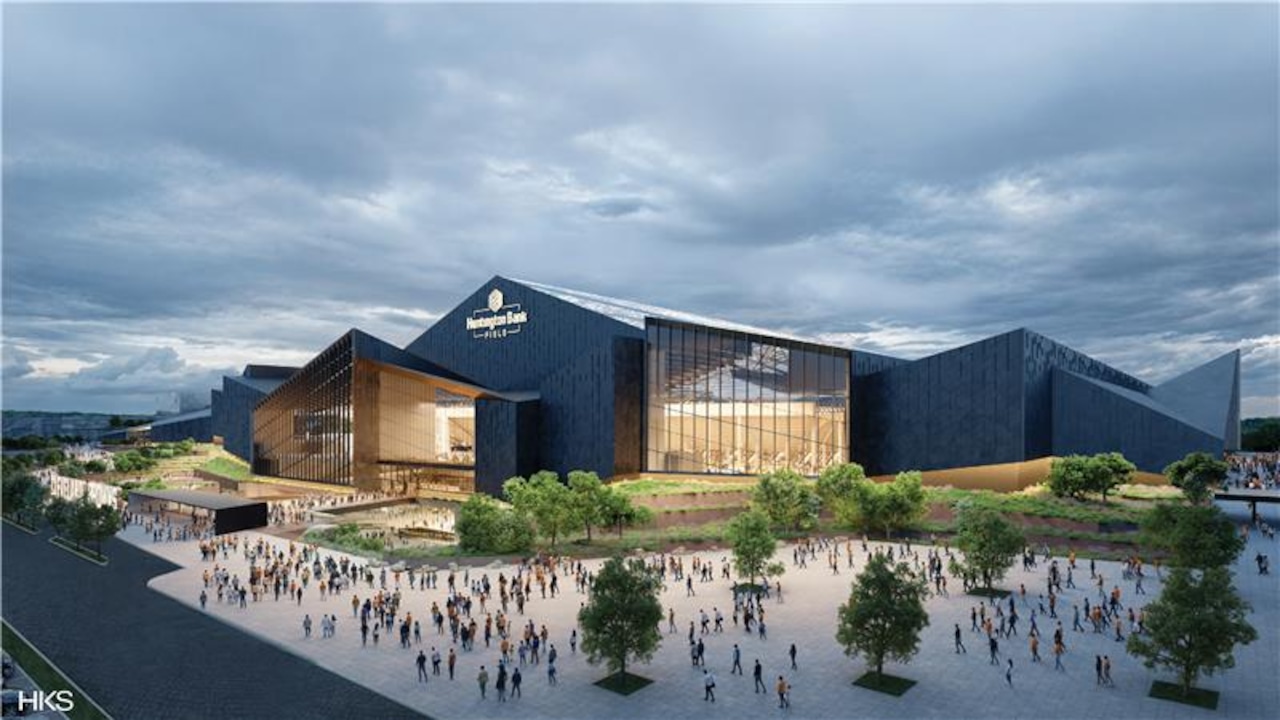
Browns score 7-0 win on stadium deal before Brook Park City Council
Source
cleveland.com
BROOK PARK, Ohio - A predevelopment agreement between the Cleveland Browns and Brook Park was approved unanimously by council on Tuesday night, setting up $24.8 million in team payments to cover city expenses ahead of the stadium’s opening in 2029.
The legislation sailed through three council meetings this month without any opposition from council or any concerns voiced during the meetings from members of the public.
Yet to come, however, are key details about what city taxes may be used to help support the stadium’s construction, and the proposed adjacent $1 billion mixed-use project to include hotels, apartments, retail and a small music venue.
Brook Park Mayor Edward Orcutt said after Tuesday’s meeting that those details would be part of a development agreement he expects to introduce within weeks, hoping for approval by the end of June.
Also to come during the same timeframe is legislation to create a community authority to own the stadium and lease it back to an affiliate of the Browns. Orcutt said this could be part of the development agreement, or separate from it.
Orcutt has declined to release further details, saying he does not want to negotiate in public.
Yet legislation approved last year teed up the possibility of a property tax incentive known as tax increment financing, in which property taxes could be waived in exchange for money being put into a separate fund for the development.
And the Browns, through their parent company Haslam Sports Group, have publicly proposed using Brook Park admissions taxes and income taxes generated at the site to cover borrowing $245 million toward the $2.6 billion stadium.
The Haslams have long discussed their desire for a community authority - overseen by representatives of both the city and the team - to own the facility. This would be similar to the arrangement that HSG’s Columbus Crew soccer team has with its stadium.
The first $1.8 million of the $24.8 million in payments to Brook Park will be due when the paperwork is signed. Installment payments will then run through Jan. 1, 2029.
The money is to cover city expenses ranging from the purchase of things like additional police cars and ambulances to making sidewalk improvements near the stadium site, installing cameras to help manage traffic, and covering the cost of construction inspections, Orcutt has said.
“The mayor has said many times if it’s not good for Brook Park, we’re not doing it,” Councilman Jim Mencini said ahead of the vote. “I believe it. ... We look out for our residents. If they have any questions, they can call us.”
The agreement also includes language that, as a public project, would waive county and state sales taxes on construction materials.
Based on a general rule of thumb that roughly 50% of a project’s costs are often taxable materials, that would mean a savings of just over $100 million on the $2.6 billion stadium, cleveland.com has reported.
The state separately has committed $600 million for the stadium. Tax-based growth tests are built into the state money for the Browns. If they are not met, the club must return up to $100 million.
Browns owners Dee and Jimmy Haslam have said they would cover the remaining $1.755 billion, plus any stadium cost overruns.
Excavation began March 2 at the stadium site on former Ford Motor Co. property next to Interstate 71, about 15 minutes southwest of downtown Cleveland.